

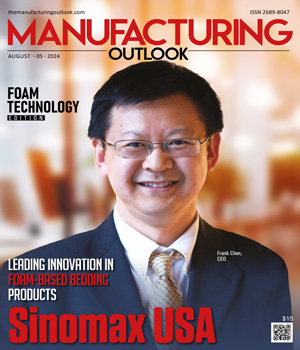

Foam technology, once primarily associated with simple packaging and cushioning solutions, has undergone a remarkable evolution. Today’s advancements are not only revolutionizing traditional applications but also paving the way for new, innovative uses across various industries. One of the most significant trends in foam technology is the shift towards sustainability. The environmental impact of traditional foams, particularly those derived from petroleumbased materials, has driven researchers and companies to explore ecofriendly alternatives. Biodegradable and recyclable foams are gaining traction, with materials derived from renewable sources such as plantbased oils and natural fibers.
For instance, companies like Ecovative Design are pioneering the use of mycelium, the root structure of mushrooms, to create biodegradable foams. These foams can be used in packaging, insulation, and even as alternatives to traditional plastics. The ability to decompose naturally without leaving harmful residues makes these foams an attractive option for environmentally conscious consumers and businesses.
The healthcare industry is benefiting significantly from advancements in foam technology. Medical-grade foams are being developed with enhanced properties such as antimicrobial resistance, breathability, and improved patient comfort. These foams are used in wound care, prosthetics, and cushioning for medical devices, providing better outcomes for patients.
As foam technology continues to evolve, the future holds exciting possibilities. Researchers are exploring the potential of nanotechnology to create foams with unprecedented properties, such as increased strength, flexibility, and durability. These advancements could lead to new applications in fields ranging from construction to consumer electronics.
The latest developments in foam technology are transforming industries and addressing key challenges in sustainability, healthcare, automotive, aerospace, and beyond. As researchers and companies continue to innovate, the potential for foam materials to enhance performance, improve environmental outcomes, and offer new solutions is limitless. The future of foam technology is bright, and its impact on our daily lives and global sustainability efforts will undoubtedly be profound.